
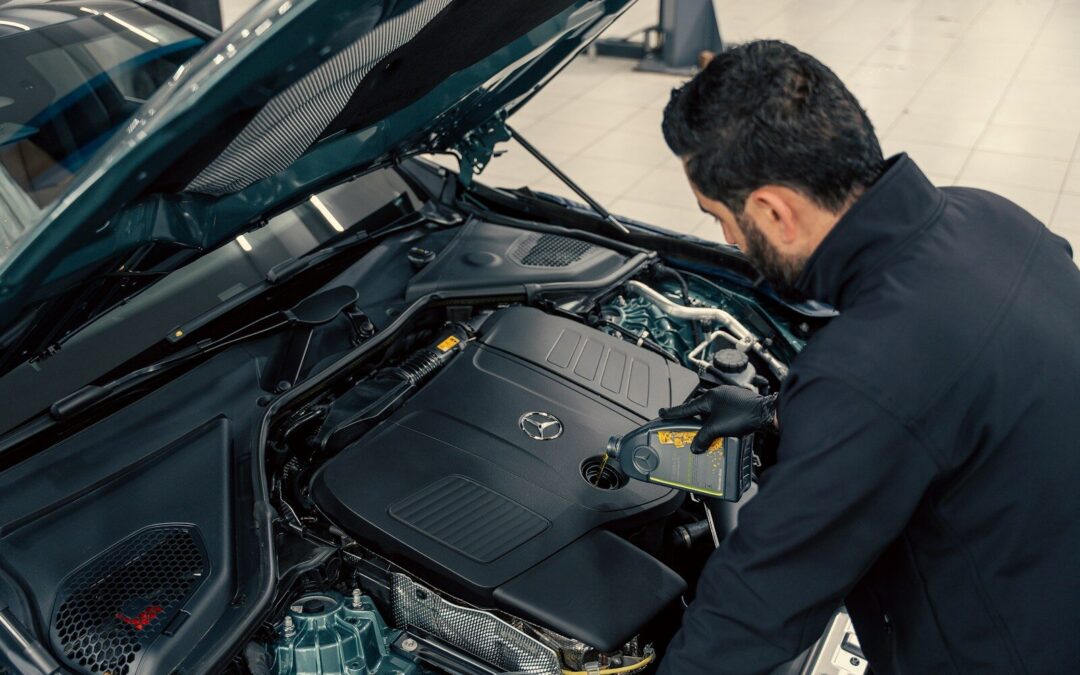
Maintaining your vehicle’s engine starts with the simple yet vital task of monitoring and replacing its oil. Neglecting this basic requirement can lead to catastrophic internal damage and a significantly shortened lifespan for your car.
Engine oil serves as the lifeblood of your machine, ensuring that every moving part operates with minimal resistance. Consistent upkeep prevents the buildup of harmful sludge and keeps your daily commute running smoothly and safely.
Lubricating Internal Components
The primary role of motor oil is to create a thin barrier between metal surfaces that would otherwise grind against each other. Without this slippery film, the intense friction would generate enough heat to weld parts together instantly.
- Check your oil level using the dipstick at least once a month to ensure there is enough fluid to coat the crankshaft and pistons.
- Listen for ticking or tapping sounds, which often indicate that parts are touching due to insufficient lubrication.
Proper lubrication is the first line of defense against the physical destruction of your engine’s most expensive internal hardware.
Regulating Engine Temperature
While coolant handles the radiator system, oil is responsible for reaching the deep recesses of the block to pull heat away from the combustion chamber. It carries thermal energy back to the oil pan, where it can dissipate, preventing the metal from warping.
- Use the specific oil viscosity recommended in your owner’s manual to ensure the fluid flows fast enough to cool high-speed components.
- Avoid heavy towing or high-speed driving if your oil is past its change interval, as degraded oil loses its ability to transfer heat.
Thermal management is a critical secondary function that keeps your engine from melting down under the pressure of daily operation.
Neutralizing Harmful Debris
As fuel burns, it leaves behind microscopic soot and carbon deposits that can act like sandpaper on your cylinder walls. Modern oils contain detergents designed to suspend these particles so the filter can trap them effectively.
- Replace your oil filter every time you change the oil to prevent old contaminants from recirculating through the system.
- Opt for full synthetic oils if you frequently drive in stop-and-go traffic, as they offer superior cleaning properties over conventional options.
Keeping the internal environment clean ensures that tiny particles do not grow into massive repair bills over time.
Maximizing Fuel Efficiency
An engine that doesn’t have to fight against dirty, thick oil or internal friction naturally requires less gasoline to move the vehicle. Fresh oil allows the valvetrain and pistons to move with maximum ease, directly impacting your miles per gallon.
- Maintain proper oil levels to reduce the workload on the oil pump, which saves energy and fuel.
- Monitor your gas mileage; a sudden drop in efficiency can often be traced back to old, viscous oil.
Improving your vehicle’s thirst for fuel is a benefit that pays for the cost of the oil change itself at the pump.
Preventing Corrosive Acid Buildup
Over time, moisture and combustion byproducts create acidic compounds within the crankcase that can eat away at rubber seals and soft metal bearings. Regular oil changes flush these acids out before they can cause leaks or permanent structural pitting.
- Change your oil based on a time interval, such as every six months, even if you haven’t hit the mileage limit.
- Short trips often prevent the engine from reaching full temperature, so change your oil more frequently to evaporate trapped moisture.
Fighting chemical corrosion is a silent but essential way to maintain the structural integrity of your entire powertrain.
Securing Your Automotive Investment
Investing in routine oil maintenance is the most cost-effective way to avoid the financial burden of a total engine replacement. This simple habit preserves the resale value of your vehicle and provides peace of mind for every mile driven.
By prioritizing this single task, you ensure that your car remains a reliable tool rather than a source of stress. Your engine will reward your diligence with years of peak performance and unwavering dependability.
