Dealing with transmission trouble can be one of the most stressful experiences for any vehicle owner. Understanding your service options is the best way to make an informed decision that protects both your car and your wallet.
When your vehicle faces major shifting issues, mechanics usually present two primary solutions to fix the problem. Choosing the right path depends heavily on the specific type of internal damage your vehicle has sustained.
Identifying the Scope of a Transmission Repair
A standard transmission repair focuses strictly on fixing a specific, isolated component within the system. This targeted approach is ideal when the rest of your assembly is healthy and functioning properly.
- Technicians replace external sensors, fluid lines, or individual solenoids without removing the entire unit.
- This process addresses immediate symptoms quickly and prevents minor mechanical issues from snowballing.
- Drivers typically experience minimal vehicle downtime and significantly lower upfront parts and labor costs.
Catching problems early allows you to utilize this focused service and avoid major mechanical breakdowns on the road.
Uncovering the Process of a Complete Rebuild
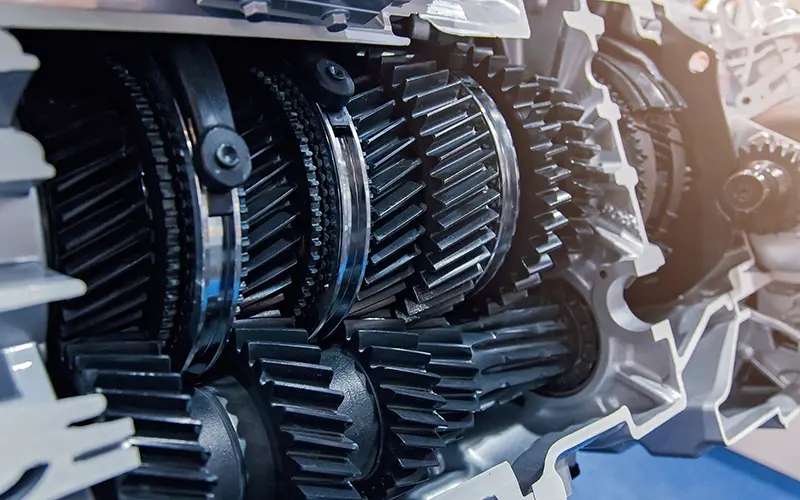
A complete transmission rebuild involves removing the entire assembly from your vehicle and dismantling it piece by piece. This comprehensive service is necessary when internal wear is widespread and a simple fix will not suffice.
- Mechanics inspect every internal gear, clean the entire casing, and replace all worn friction materials.
- Technicians automatically install brand-new seals, gaskets, bands, and clutches to ensure optimal internal pressure.
- The entire system is reassembled to factory specifications, essentially giving your vehicle a fresh mechanical start.
While this intensive process requires specialized equipment and more shop time, it completely resets the lifespan of your system.
Comparing the Cost Factors of Both Options
The financial investment required for these two automotive services varies drastically based on labor and parts. A minor fix keeps your budget intact, while a comprehensive overhaul requires a more serious financial commitment.
- Basic repairs only require you to pay for specific malfunctioning components and a few hours of shop labor.
- Overhauls demand significant labor fees because taking apart a complex gear system takes days of precision work.
- Investing in a full breakdown up front can ultimately save you money by preventing repetitive garage visits.
Evaluating your long-term budget helps determine whether a quick fix or a total overhaul makes the most financial sense.
Evaluating Long-Term Vehicle Longevity and Warranties
The expected lifespan of your vehicle after visiting the shop depends heavily on the depth of the service performed. A simple component replacement fixes today’s issue, but it does not protect older remaining parts from future failure.
- Repairing a single part leaves the rest of your aging components vulnerable to normal wear and tear.
- Rebuilding replaces all high-friction components, which provides peace of mind for tens of thousands of miles.
- Comprehensive overhauls usually come backed by much longer and more robust shop warranties.
If you plan on keeping your vehicle for many years, prioritizing longevity over immediate savings is usually the wisest choice.
Recognizing the Signs That Dictate Your Best Choice
Paying close attention to how your vehicle behaves on the road will often point you toward the correct mechanical solution. Extreme symptoms require deeper intervention, while minor fluid leaks usually point to a simpler remedy.
- Burning smells and severe gear slipping usually indicate widespread internal damage that requires a total breakdown.
- Small puddles of red fluid or a single faulty electronic sensor generally mean a quick fix is perfectly adequate.
- Professional diagnostic scans pinpoint exactly how far the mechanical damage has spread through the system.
Consulting a trusted certified technician ensures you receive an accurate assessment of your vehicle’s specific mechanical needs.
Making the Smart Investment for Your Vehicle’s Future
Selecting the right service path ensures your vehicle remains reliable for all your daily commuting needs. Balancing immediate financial constraints with the future dependability of your car is the key to automotive peace of mind.
Taking the time to understand these mechanical options empowers you to make a confident decision at the auto shop. Trusting certified professionals to guide your choice will keep your vehicle running smoothly on the highway for years to come.
