
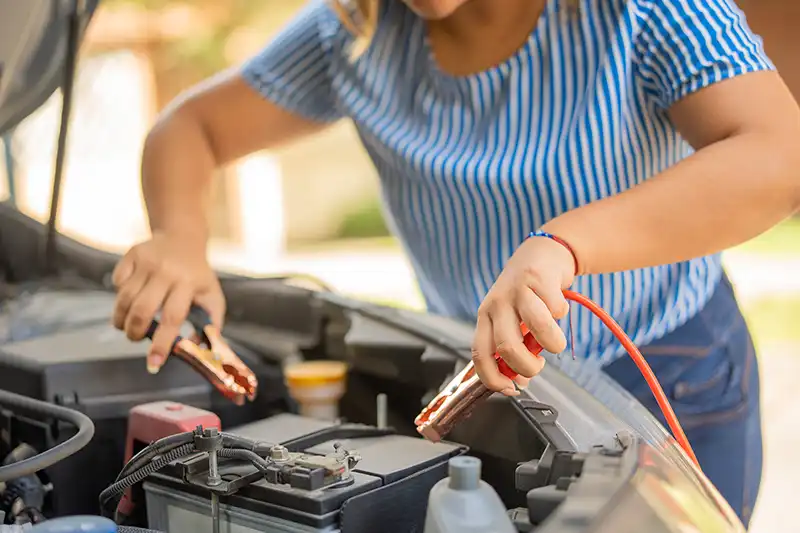
Your car battery provides the electrical power needed to start the engine and support many vehicle systems when the engine is not running. Because battery problems can appear without much warning, a few regular maintenance habits can help you avoid an inconvenient no-start situation.
Battery life is affected by weather, driving patterns, electrical demand, and the condition of the charging system. Although every battery will eventually need replacement, careful attention can help you get more reliable service from the one you have.
Keep the Battery Terminals Clean and Secure
Battery terminals need clean, firm connections so electrical power can move between the battery and the vehicle’s cables.
- Look for powdery buildup, corrosion, loose cables, or damaged terminal ends.
- Have corrosion cleaned safely before it interferes with the connection.
- Make sure the battery is held securely in its tray and does not move while driving.
Clean, secure connections support dependable starting and can help prevent electrical resistance from creating unnecessary strain. This check is especially useful before longer trips, when you want the electrical system to be dependable.
Take Regular Drives When Possible
A battery is recharged by the vehicle’s charging system while the engine is running, so very short trips may not always restore the power used to start the vehicle.
- Combine short errands when practical instead of making many brief separate trips.
- Drive long enough for the vehicle to operate normally after a cold start.
- Start the vehicle periodically if it will be parked for an extended period.
A regular driving routine can be especially helpful for vehicles that sit unused for days at a time. If the vehicle is stored, ask about appropriate battery-maintenance options instead of relying on frequent jump-starts.
Limit Unnecessary Electrical Drain
Lights, accessories, and plugged-in devices can continue using battery power when the engine is off.
- Confirm that interior lights, headlights, and cargo-area lights turn off after parking.
- Unplug accessories that are not needed while the vehicle is parked.
- Investigate if the battery repeatedly goes dead after the vehicle sits overnight.
Reducing avoidable drain helps preserve available charge and may reveal an electrical issue that deserves professional attention. Repeated drain can shorten battery life and should never be treated as normal behavior.
Schedule Battery and Charging-System Tests
Testing provides useful information about the battery’s condition before it fails completely and leaves you stranded.
- Include a battery test during routine maintenance visits, especially before seasonal weather changes.
- Ask for the charging system to be checked if starting becomes slow or inconsistent.
- Keep track of the battery’s age so you can plan ahead as it gets older.
Early testing gives you time to address a weakening battery on your schedule instead of during an emergency. It also lets you plan replacement at a convenient time if results show a battery nearing the end of service.
Protect the Battery From Extreme Conditions
Very hot and very cold weather can place additional demands on a car battery and the vehicle’s electrical system.
- Park in a garage or shaded area when it is safely available.
- Avoid leaving the vehicle unused for long periods during extreme temperatures.
- Pay closer attention to slow cranking, dim lights, or warning messages during seasonal changes.
Weather cannot always be controlled, but prompt attention to warning signs can limit the chance of an unexpected failure.
Build Simple Habits for More Reliable Starts
Helping your car battery last longer does not require complicated maintenance, but it does require consistency. Clean terminals, regular driving, limited electrical drain, and routine testing all support a battery that is ready when you need it.
It is also wise to act quickly when starting changes, lights dim, or the battery warning light appears. A timely inspection can help identify whether the battery, cables, or charging system needs attention before your daily routine is interrupted.
