
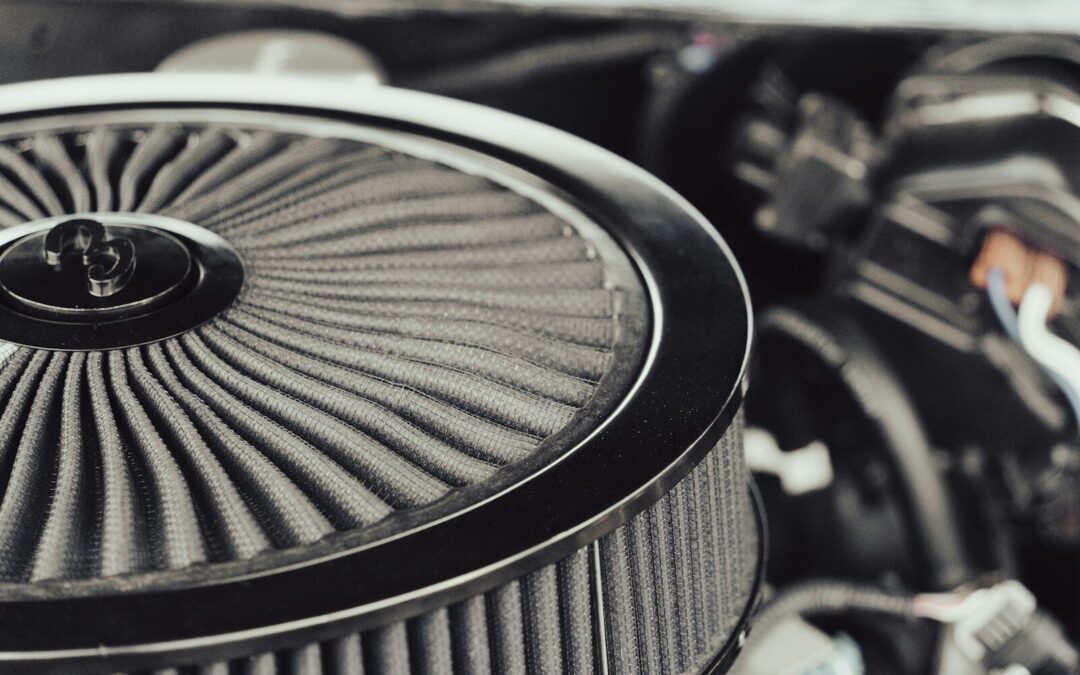
Your vehicle’s engine requires a massive and constant supply of air to facilitate the combustion process that moves your car. Without a functional barrier, the intake system would act like a vacuum, pulling in every piece of road dust and debris from the environment.
A fresh air filter serves as the critical gatekeeper, ensuring that only pure oxygen reaches the sensitive internal cylinders. Maintaining this simple component is essential for preventing premature wear and keeping your engine running at its maximum potential.
Creating a Physical Defense Barrier
The air filter is designed with specialized pleated material that traps microscopic particles before they can enter the intake manifold. This physical wall is the only thing standing between abrasive road grit and your engine’s polished metal surfaces.
- Inspect your filter every time you get an oil change to see if the pleats are filled with dirt or hair.
- Replace the unit immediately if you notice a dark coating on the surface, as this indicates the material is saturated.
By stopping contaminants at the entrance, the filter ensures that the internal environment remains pristine and free of damaging materials.
Preventing Internal Scouring and Abrasion
Road dust often contains silica and hard minerals that act like sandpaper when they get trapped between moving parts. If these particles reach the combustion chamber, they can score cylinder walls and ruin the seal of the piston rings.
- Avoid driving through heavy dust clouds or construction zones without checking your filter status shortly afterward.
- Look for a high-quality paper or synthetic filter that offers a high “efficiency rating” to catch even the smallest grains of sand.
Eliminating these abrasive elements prevents the slow destruction of your engine’s compression and overall structural integrity.
Maintaining Proper Air-to-Fuel Ratios
For an engine to run efficiently, it must mix a precise amount of air with gasoline to create power. A clogged filter restricts the flow of air, forcing the engine to compensate by using more fuel, which leads to poor performance and “rich” running conditions.
- Listen for a rough idle or a coughing sound from the engine, which can signal that the intake is gasping for air.
- Notice if your acceleration feels sluggish, as a fresh filter often restores the “peppy” feel of a responsive throttle.
Ensuring a steady stream of clean air allows the computer system to optimize combustion for the best possible driving experience.
Protecting Sensitive Electronic Sensors
Modern vehicles rely on a Mass Air Flow sensor to measure the density of incoming air and adjust engine timing. When a filter fails, dust can coat these delicate electronic wires, leading to false readings and a “Check Engine” light on your dashboard.
- Never blow out an old filter with compressed air, as this can create holes that allow dust to fly directly onto the sensor.
- Ensure the filter housing is snapped shut tightly to prevent air from leaking around the edges of the filter frame.
Keeping the air clean doesn’t just protect the metal parts; it also safeguards the sophisticated electronics that manage your vehicle’s brain.
Extending the Life of the Lubrication System
Tiny dust particles that manage to bypass a poor filter eventually find their way into the engine oil. Once the oil becomes contaminated with road grit, it carries those tiny rocks to every bearing and seal in the entire system.
- Think of your air filter as the first stage of your oil filtration system because it stops dirt before it ever hits the fluid.
- Change your filter more frequently if you live in arid climates or travel on unpaved gravel roads regularly.
A clean intake keeps your motor oil cleaner for longer, providing a double layer of protection for the heart of your vehicle.
Safeguarding Your Vehicle’s Future Reliability
Replacing a dirty air filter is one of the most affordable and effective ways to prevent expensive mechanical failures down the road. It is a proactive step that ensures your car remains a dependable asset rather than a liability.
Choosing to prioritize clean air for your engine is an investment in longevity and consistent power. Your engine will breathe easier, perform better, and last significantly longer when it is shielded from the harsh elements of the open road.
