
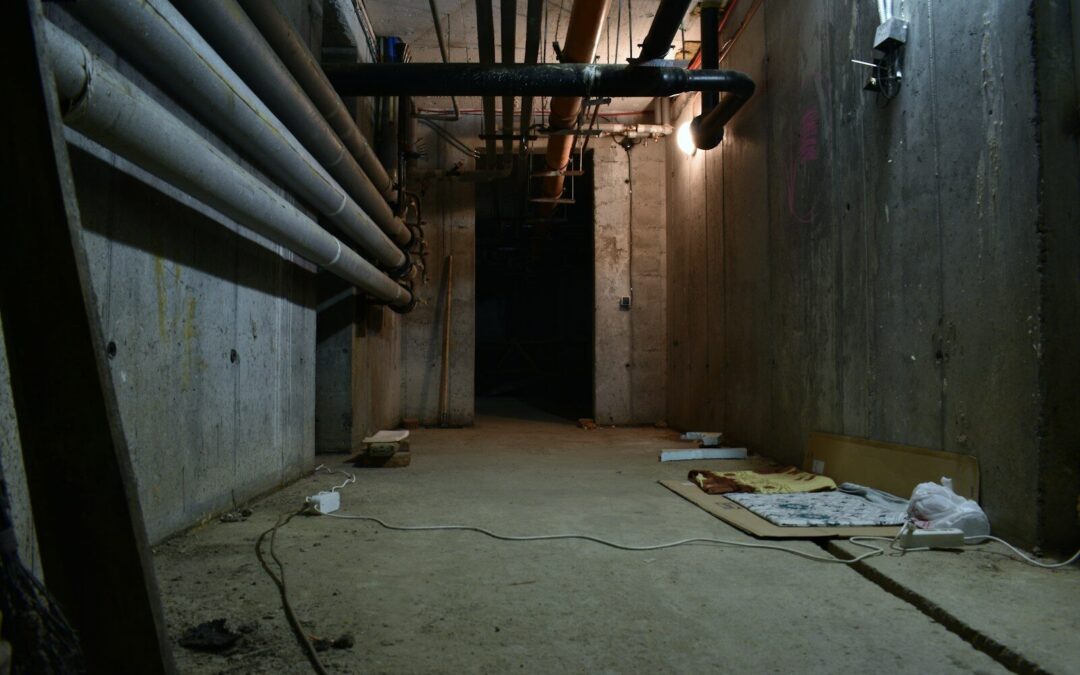
Maintaining a dry basement is essential for protecting the structural integrity and overall health of your entire home. Ignoring early red flags can lead to expensive repairs and significant property devaluation over time.
Homeowners often overlook subtle changes in their lower levels until a major flood occurs during a heavy rainstorm. Identifying these symptoms early allows you to implement professional solutions before the damage spreads to your living spaces.
Lingering Musty Odors and Air Quality Issues
The air in your basement should feel as fresh and clean as the rest of your household environment.
- A persistent damp or earthy smell that does not dissipate with ventilation
- Increased humidity levels that make the air feel heavy or sticky
- Allergy-like symptoms or respiratory irritation when spending time downstairs
These biological odors are often the very first sign that moisture is trapped behind walls or beneath the flooring. Addressing these scents early prevents the proliferation of spores that can compromise your indoor air quality.
Visible Efflorescence on Foundation Walls
White, chalky residue appearing on your concrete blocks is a scientific indicator of water movement.
- Sparkling or powdery white streaks along the mortar joints and brickwork
- Texture changes on the wall surface that feel crunchy or sandy to the touch
- Discoloration that reappears shortly after you attempt to scrub it away
This crystalline deposit, known as efflorescence, occurs when water evaporates and leaves behind natural mineral salts. It serves as undeniable proof that moisture is actively migrating through your foundation from the outside soil.
Wall Cracks and Mortar Deterioration
Structural fissures are often the direct result of hydrostatic pressure building up against your home.
- Horizontal or staircase-shaped cracks appearing in the basement corners
- Small hairline fractures that seem to widen after periods of heavy snowmelt
- Loose or crumbling mortar between concrete blocks that allows seepage
While some settling is normal, many cracks are clear pathways for groundwater to enter your basement under pressure. Professional intervention ensures these openings are sealed, and the external pressure is properly managed.
Peeling Paint and Warping Finishes
Aesthetic changes to your basement finishes often mask deeper issues occurring within the substrate.
- Bubbling or flaking paint on the interior surface of the foundation
- Wood baseboards that appear bowed or show signs of dark staining
- Drywall that feels soft to the touch or shows water tide marks near the floor
Water pushes through the porous concrete and breaks the bond of your interior paints and adhesives. Keeping these surfaces intact requires a dry environment that only professional-grade waterproofing systems can provide.
Unexplained Puddles or Floor Dampness
Localized wet spots on the floor are rarely accidental and usually indicate a rising water table.
- Damp patches on the concrete floor that appear during the spring season
- Water seeping up through the floor-wall joint, known as the cove area
- Evidence of rust on the bottom of metal appliances or furnace components
Direct seepage through the floor or joints indicates that the drainage system around your home is no longer performing. Immediate action is required to redirect this water away from your foundation to prevent significant flooding.
Secure Your Home Foundation with Expert Solutions
Proactive basement waterproofing is an investment in the longevity and safety of your most valuable asset. Waiting for a catastrophic event only increases the eventual cost of restoration and structural stabilization.
Take control of your home’s health today by consulting with a specialist to diagnose your specific moisture issues. A dry basement provides peace of mind and transforms a dark storage area into a functional part of your home.
