
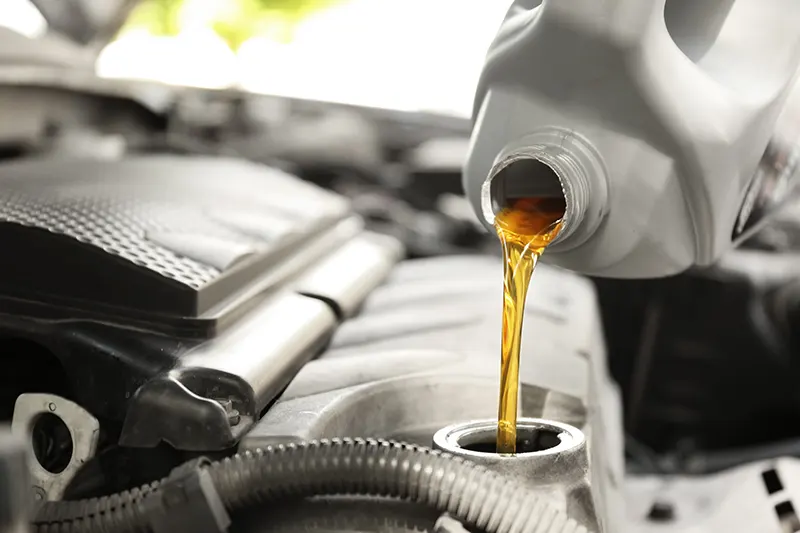
Maintaining clean motor oil is the single most important routine task you can perform to preserve the lifespan of your vehicle. Ignoring this crucial fluid leads to friction, intense heat, and catastrophic engine failure that could cost thousands of dollars to fix.
When you understand the subtle indicators your automobile gives, you can address issues well before a roadside breakdown occurs. Catching these red flags early ensures your daily commute remains safe, smooth, and highly efficient.
Loud Engine Ticking And Knocking Sounds
Fresh oil creates a slippery protective barrier between moving metal components so your engine can run quietly. When that fluid degrades, parts begin to clatter against one another during operation.
- Listen closely for an unusual rhythmic ticking sound immediately after starting your car in the morning.
- Pay attention to loud knocking noises coming from under the hood while accelerating or idling at a traffic light.
- Check your dipstick right away if the mechanical sounds become noticeably louder during long highway drives.
Ignoring these sounds means your internal components are actively grinding down due to insufficient lubrication. You must replace the depleted fluid immediately to stop this destructive metal-on-metal friction.
Dark Gritty Sludge On The Dipstick
Healthy motor oil features a translucent, amber hue that allows you to easily see through it on the indicator stick. Over time, heat and debris turn this fluid into a thick, dark, and highly abrasive paste.
- Pull out your engine dipstick and wipe it on a clean white paper towel to inspect the color.
- Look for a deep black shade accompanied by tiny, rough particles or flakes of carbon debris.
- Feel the fluid texture between your fingertips to check if it feels gritty rather than smooth and oily.
When the fluid transforms into sludge, it loses its ability to flow through the narrow passages of your motor. This thick buildup restricts circulation and starves critical components of the cooling protection they require.
A Strong Burning Smell Inside The Cabin
A properly sealed automotive system should never emit strong chemical odors while you are driving down the road. If you smell something burning, it frequently indicates that fluid is leaking onto hot exhaust parts or the engine is dangerously overheating.
- Notice if a distinct burnt toast or oily odor enters your vehicle through the air conditioning vents.
- Check the pavement underneath your parking spot for fresh, dark puddles that indicate an active leak.
- Watch for faint wisps of white or grey smoke escaping from the edges of your hood during idle.
An active leak drops your overall fluid levels down to dangerous minimums within a matter of days. Addressing the burning odor immediately prevents a total loss of pressure and keeps your vehicle safe from potential thermal damage.
Persistent Exhaust Smoke From The Tailpipe
Modern cars are designed to emit virtually invisible exhaust vapor rather than heavy clouds of thick smoke. When you notice continuous smoke billowing out behind your vehicle, it means oil is slipping past worn seals and burning inside the combustion chamber.
- Look in your rearview mirror to see if a blue or grey cloud follows you as you accelerate.
- Check your tailpipe for a heavy, greasy black residue coating the interior rim of the exhaust tip.
- Monitor your fluid levels weekly if you consistently see vapor hanging in the air behind your car.
Burning fluid fouled by internal leaks ruins your catalytic converter and triggers failed emissions tests. A complete flush and fresh fill can help restore proper system pressure and minimize this blow-by effect.
A Drop In Fuel Economy And Sluggish Acceleration
When old motor oil thickens, it creates an immense amount of internal drag that forces the motor to work significantly harder. This added resistance saps your horsepower and forces your vehicle to consume far more gasoline than usual.
- Track how frequently you visit the gas pump to see if your miles per gallon have suddenly plummeted.
- Notice if your car feels heavy, hesitant, or completely unresponsive when you press down on the gas pedal.
- Watch for an erratic tachometer needle that bounces around because the motor is struggling to maintain a steady idle.
An engine working against dirty fluid wastes massive amounts of energy just trying to turn the crankshaft. Refreshing the system instantly restores responsiveness and brings your fuel mileage back to its peak efficiency.
Safeguard Your Automotive Investment Today
Proactive maintenance is the ultimate key to keeping your vehicle running beautifully for hundreds of thousands of miles. Delaying a standard fluid swap risks permanent internal scarring that diminishes the resale value of your automobile.
Scheduling a professional fluid service ensures your engine receives the precise viscosity and additive package needed for peak performance. Protect your peace of mind and your wallet by taking action the moment you notice any of these warning signs.
