
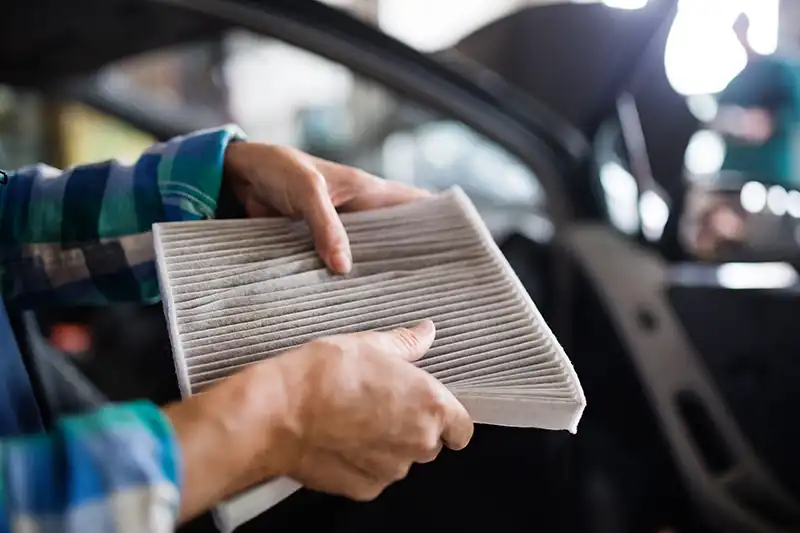
Your engine needs a balanced supply of clean air and fuel to run smoothly, and the engine air filter helps protect that airflow. When the filter becomes dirty, it can make it harder for the engine to draw in the air it needs during normal driving.
The change may happen gradually, so it is easy to miss until the vehicle feels less responsive or seems to use more fuel than usual. Checking and replacing the engine air filter at the right time is a straightforward maintenance task that can support consistent performance.
Understand the Filter’s Role in Airflow
The engine air filter is designed to capture dust, dirt, and debris before outside air enters the engine’s intake system.
- Clean filter material allows air to pass through while trapping unwanted particles.
- Dirt builds up over time, especially on dusty roads or in heavy traffic.
- A less open filter surface can reduce the amount of air moving toward the engine.
When airflow is limited, the engine may have to work harder to deliver the response you expect from the accelerator.
Notice Changes in Acceleration and Response
A clogged air filter can contribute to a vehicle that feels slower or less smooth when you press the gas pedal.
- Pay attention if acceleration feels delayed during merging or climbing hills.
- Notice whether the engine seems to hesitate when you begin moving from a stop.
- Compare current performance with how the vehicle normally responds in similar conditions.
These changes can have several causes, but an air-filter inspection is a sensible place to begin because it is quick and practical. It is especially worthwhile after extended driving in dusty conditions or when the filter has not been checked in some time.
Watch for Signs of Higher Fuel Use
When the engine cannot receive air as efficiently as it should, fuel use may become less consistent during everyday driving.
- Track your fuel mileage over several fill-ups instead of judging a single trip.
- Consider changes in traffic, weather, load, and driving habits before drawing conclusions.
- Have the air filter checked if fuel use rises along with sluggish engine response.
A clean filter is not a cure for every mileage concern, but it helps remove one common maintenance factor from the equation. It can also help ensure that later diagnostics focus on concerns beyond a basic maintenance need.
Check the Filter More Often in Demanding Conditions
The ideal replacement timing depends on where and how you drive, not only the mileage shown on the odometer.
- Inspect the filter more often if you travel on gravel roads or near construction areas.
- Check it sooner if you frequently drive in congested city traffic or dry, dusty conditions.
- Use the owner’s manual as the starting point for the recommended inspection schedule.
Adjusting maintenance to real driving conditions can help you catch a dirty filter before airflow becomes noticeably restricted.
Choose Professional Inspection When Symptoms Persist
A filter replacement may be simple, but a proper inspection can help confirm whether it is the source of a performance concern.
- Request a visual check of the filter and the air-intake housing during routine service.
- Ask whether the filter is dirty, damaged, improperly seated, or affected by moisture.
- Schedule a broader inspection if warning lights, rough running, or stalling continue after replacement.
Addressing persistent symptoms early can help prevent guesswork and keep small concerns from becoming more disruptive.
Restore the Airflow Your Engine Needs to Perform
A clean engine air filter is an important part of helping your vehicle receive the airflow needed for steady performance. Replacing a dirty filter may support smoother acceleration, more consistent driving, and a cleaner intake path for the engine.
Do not wait for a major performance problem before paying attention to this simple service item. Regular inspections, sensible replacement timing, and attention to changes in how your vehicle drives can help keep the engine working at its best.
