
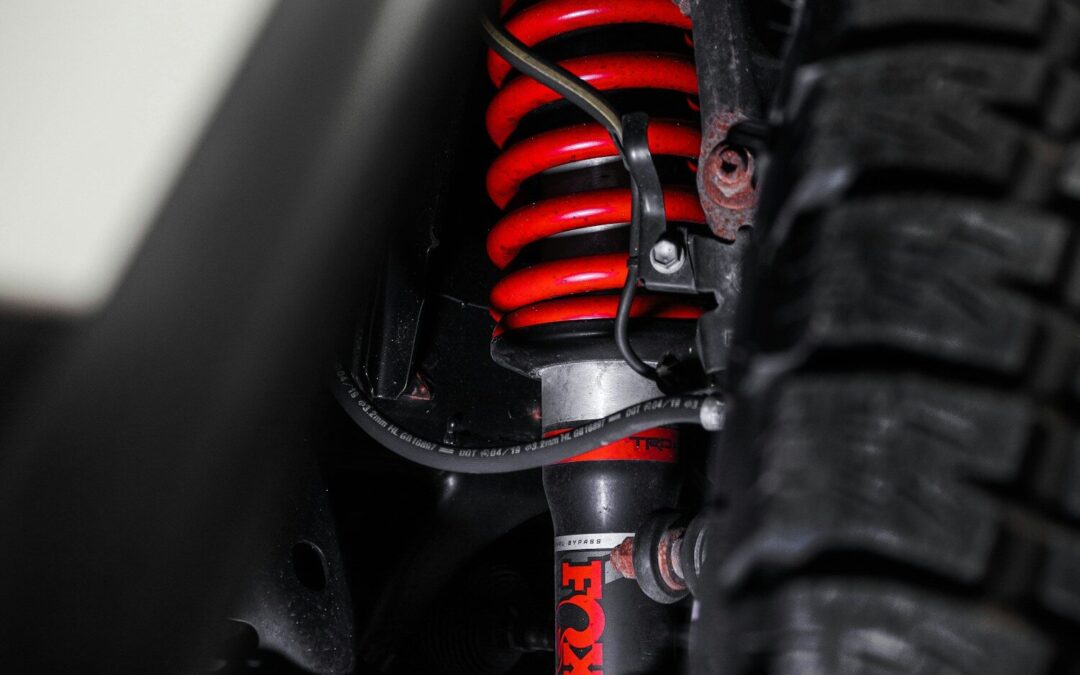
Maintaining your vehicle’s suspension system is critical for ensuring both a smooth ride and the safety of everyone on board. Shocks and struts do more than just provide comfort; they are essential components that keep your tires in contact with the road.
When these parts begin to fail, your car’s handling and braking performance can degrade rapidly without you realizing it. Recognizing the early warning signs of wear can prevent expensive repairs and keep your vehicle performing at its peak.
Excessive Bouncing After Bumps
A healthy suspension system should settle almost immediately after your vehicle hits a dip or a speed bump. If you notice that your car continues to oscillate or “pogo” several times after an impact, your shocks are likely no longer controlling the spring movement.
- Test this by pushing down firmly on one corner of the car and letting go quickly.
- Observe if the vehicle bounces more than once or twice before returning to a neutral position.
- Pay attention to how the car reacts when driving over railroad tracks or uneven pavement.
If the vehicle feels like a boat on rough water, it is a clear indication that the internal valving of the shocks has worn out.
Noticeable Nose Diving and Squatting
When your shocks are in poor condition, the weight of the vehicle shifts too aggressively during acceleration and braking. You may feel the front of the car “dive” toward the pavement when you hit the brakes or notice the rear “squat” when you speed up.
- Monitor if the steering wheel feels loose or light during hard braking maneuvers.
- Look for a significant increase in the distance required to come to a complete stop.
- Check if the headlights tilt significantly downward at night when you apply the brakes.
This instability is not just uncomfortable; it reduces your ability to steer effectively during emergency maneuvers.
Visible Fluid Leaks on Shock Bodies
Most modern shocks and struts are filled with hydraulic fluid that helps dampen the movement of the suspension. If the seals at the top of the shock break down, this oil will begin to coat the outside of the component.
- Inspect the shock or strut housing for a greasy, wet appearance or caked-on dirt.
- Distinguish between a light “misting,” which can be normal, and a heavy, dripping leak.
- Look for puddles of clear or brownish oil on your driveway near the wheels.
A shock that has lost its fluid can no longer provide the resistance needed to stabilize your ride.
Uneven Tire Wear Patterns
Worn shocks allow the tires to bounce excessively, which causes them to hit the road with inconsistent pressure. This often leads to a specific type of wear known as “cupping” or “scalloping,” where bits of the tread are literally scooped out.
- Run your hand over the tire tread to feel for wavy high and low spots.
- Check for vibration or excessive road noise while driving at highway speeds.
- Rotate your tires regularly to see if unusual wear patterns emerge on the new set.
Uneven tire wear is a secondary symptom that can lead to the premature and costly replacement of your entire set of tires.
Swerving and Instability in Wind
If your car feels unstable or seems to “drift” when you encounter a side breeze or change lanes, your suspension may be failing to hold the chassis steady. You might find yourself constantly correcting the steering wheel just to stay in your lane on a straight road.
- Notice if the car leans excessively or feels “tipsy” when taking corners at normal speeds.
- Be aware of a “flighty” feeling in the steering wheel when driving over highway expansion joints.
- Observe if the vehicle reacts nervously to minor steering inputs or road imperfections.
Maintaining structural stability is vital for keeping control of your vehicle, especially in inclement weather or high-wind conditions.
Restore Your Vehicle’s Stability and Comfort
Investing in new shocks is one of the most effective ways to reclaim the original handling and safety characteristics of your car. By addressing these signs early, you ensure a smoother ride for your passengers and reduce the strain on other expensive suspension parts.
Your vehicle deserves to perform with precision, providing you with a confident and controlled driving experience every time you get behind the wheel. Don’t wait for a total component failure; take the steps now to secure your safety on the road.
